Which colors are yours?
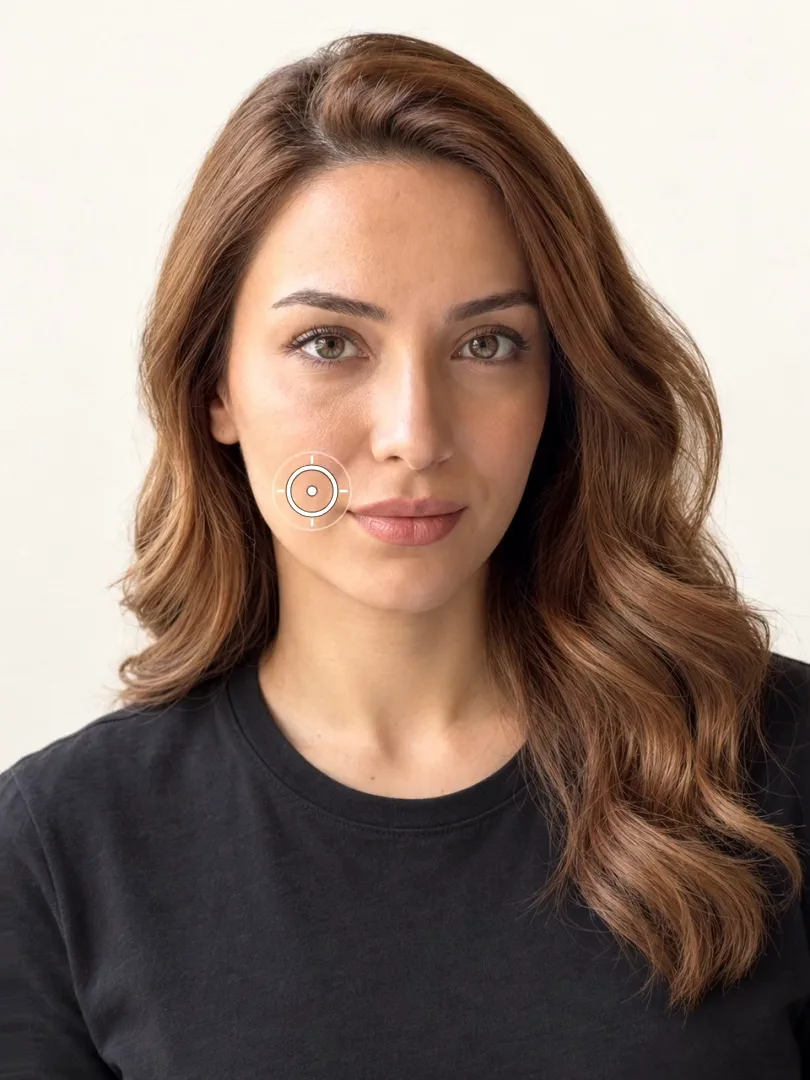
Tap your cheek and your hair on one photo.
What is color analysis?
Color analysis groups people by the colors that sit most naturally next to their skin, hair and eyes. It looks at three things: undertone (warm or cool), depth (light or deep) and clarity (soft or clear). The result is a season, a palette of clothing, makeup and hair colors that share those qualities.
It is a styling tradition, not a measurement. Its practical value is a shorter list of colors to try first, and a clearer idea of which hair colors to test before you dye.
The 12 seasons
The four main seasons come from two axes. The 12-season system splits each one by its strongest trait: light or deep, soft or bright, or true to the season.
- Spring warm and light
- Light springTrue springBright spring
- Summer cool and light
- Light summerTrue summerSoft summer
- Autumn warm and deep
- Soft autumnTrue autumnDeep autumn
- Winter cool and deep
- Deep winterTrue winterBright winter
Neighboring seasons share a trait, which is why they get confused: soft summer and soft autumn are both muted, deep autumn and deep winter are both dark.
From your season to a hair color
Hair sits right next to your face, so it follows the same logic as clothing. Warm, muted seasons usually look easy in soft coppers, golden browns and caramel; cool, muted seasons in ash browns and beige blondes; deep winters in espresso, black and dark cherry red. The linked season pages list hair colors that usually sit well with each one, and you can try one on your own photo before you book a colorist. A preview on a photo is not a dye result: your starting color and the salon’s process still decide the outcome.
How the reading works
- Choose one photo in daylight, without makeup or filters.
- Mark your cheek and your hair. We read color only at those two spots; we don’t measure your face.
- You see your likely season, a close second and how sure the reading is. Warm indoor or cool LED light can shift skin color, and the reading says so when it might have.
This is a reading of this photo in this light, not a verdict. Seasonal color analysis has no peer-reviewed accuracy standard. It doesn't replace an in-person draping session. Use it as a starting point.