Caramel balayage
Caramel balayage is a hair color in which a colorist paints lightener by hand through the mid-lengths and ends of brown hair, then tones those pieces a warm golden brown. The lighter ribbons start softly below the root and brighten toward the ends, so your own darker color stays the base and regrowth blends in instead of leaving a line.
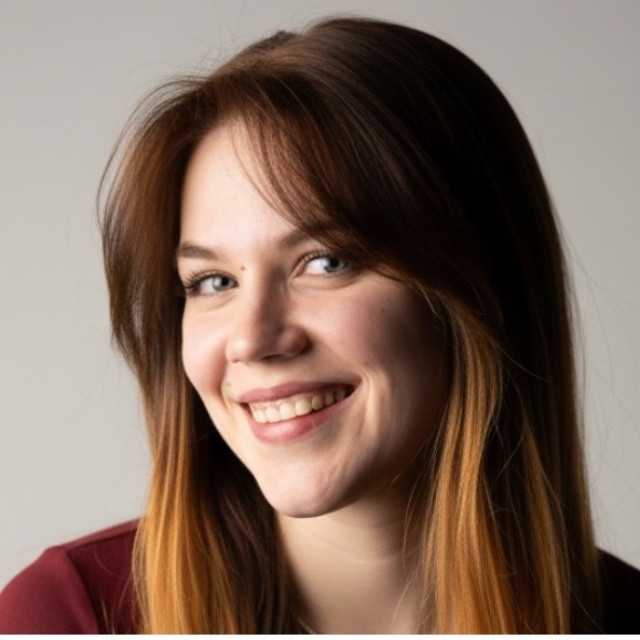
What is caramel balayage?
Balayage is a technique rather than a shade. The word is French for "to sweep": the colorist sweeps lightener onto the surface of the hair freehand, mostly through the mid-lengths and ends, and blends it upward so the change near the scalp stays soft. Some colorists use the same placement inside foils for extra lift, which salons call foilyage.
Caramel is the tone. Once the pieces are lightened, they are toned or glossed to a warm golden brown. Colorist guides aim for pieces about two to three shades brighter than the base, and caramel reads best on light brown to dark brunette hair: on light brown the contrast stays soft and airy, while on very dark or black hair it is much stronger.
The amount is flexible. A partial balayage brightens only the top layer, fine babylights spread the lift more evenly, and a brighter money piece can frame the face. The example shown here is a high-contrast version that sits close to an ombre: dark brown on top, then a caramel gradient that starts around the jaw and brightens toward the ends.
Who it suits
A warm, mid-depth shade. Usually sits well with spring or autumn palettes. See the light spring, true spring, bright spring, soft autumn, true autumn or deep autumn palette.
Caramel is made for brown hair: it adds dimension to light brown, brunette or black hair without changing your whole color. Color guides pair golden, honey and caramel pieces with warm undertones, and if you'd like it less golden, a colorist can balance the caramel with a cooler toner for a cleaner result.
Caramel balayage vs money piece ombre
 Caramel balayage
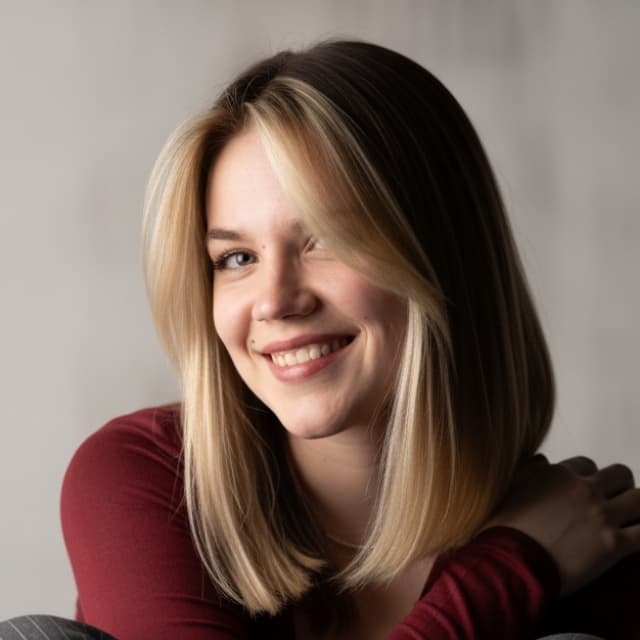 Money piece ombre
| Caramel balayage | Money piece ombre | |
|---|---|---|
| Where the light goes | Painted pieces through the mid-lengths and ends | The whole length shifts from dark roots to light ends |
| Around the face | Soft, unless you ask for brighter front pieces | Bold, bright pieces framing the face |
| How much brown shows | Your base runs between the pieces to the ends | Mostly at the roots; the ends are light |
| Tone in these examples | Warm caramel | Pale beige blonde |
| Upkeep | Low; grows out without a hard line | Low for the ombre; the money piece needs touch-ups sooner |
Choose caramel balayage if you want brown to stay your main color with warmth moving through it. Choose a money piece ombre if you want the ends and the hair around your face clearly lighter.
Caramel balayage variations
 Blonde highlights
Woven into foils from close to the root: brighter and more even than painted pieces, with regrowth that shows sooner.
 Sunkissed bronde
Brown and blonde blended softly all over, with less contrast than caramel ribbons on a dark base.
 Golden brown
The same warmth as an all-over color: a golden brown from root to tip, with no lightened pieces.
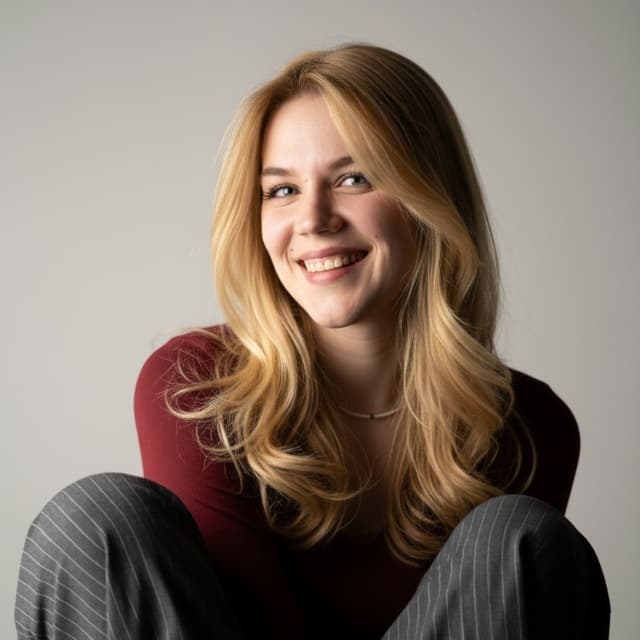 Honey golden blonde
A lighter step in the warm family: golden blonde all over instead of pieces on a brown base.
 Shadow root
The opposite balance: mostly blonde lengths with a deliberately darker root to blur regrowth.
Upkeep
Because the lightening starts below the root, balayage grows out without a hard line, which makes it one of the lower-maintenance ways to wear lightened pieces. Salon guides give a wide range for lightened color, from about every six weeks to every six months between visits, and the more contrast you ask for, the sooner regrowth shows. What drifts first is the tone: caramel can turn brassy or dull, and a gloss or toner at the salon resets it between lightening sessions. If you color your roots to cover gray, that can be done at the same appointment.
How to ask your colorist
- Bring a photo of caramel balayage on hair close to your own base color. Caramel on black hair and caramel on light brown look very different, and the photo sets both the tone and the contrast.
- Tell your colorist your natural color, any box dye or color still in your hair, and whether you want gray covered at the root.
- Ask for pieces about two to three shades lighter than your base for a natural caramel, or say if you want stronger contrast. On very dark hair, ask how many sessions they plan.
- Say where the lightness should start (cheekbones, jaw or lower) and whether you want a brighter money piece around your face or a softer, lived-in look.
- Ask which toner or gloss they'll use to keep it caramel rather than orange or ashy, and when to come back to refresh it.
Keeping the color
Wash with a gentle, color-safe shampoo without sulfates, in lukewarm water, and use a heat protectant before hot tools. Between visits, a caramel-tinted color-depositing mask keeps the warmth from turning brassy, and a weekly deep-conditioning mask helps the lightened ends. Purple shampoo is meant to cancel brassiness in blonde, so save it for patches that actually turn brassy.
Questions
How can I see what I'd look like with caramel balayage?
Upload one clear photo to Styloom and pick Caramel balayage. You get an AI preview of your own photo with the color in about 20–30 seconds. It shows the tone and placement on you; how light your hair can go in one session is your colorist's call.
Is caramel balayage the same as caramel highlights?
Not quite. Highlights are woven into foils from close to the root and give brighter, more even pieces; balayage is painted by hand, starts lower and grows out softer. Many salons also mix both techniques in one appointment.
Does caramel balayage work on black hair?
Yes. Very dark hair has to be lightened for the caramel to show, so the contrast is stronger than on light brown; ask how many sessions your colorist plans.
Is caramel balayage warm or cool?
Warm: caramel is a golden brown. A colorist can balance it with a cooler toner for a cleaner, less golden caramel; if you want a truly cool look, ask about an ash-toned balayage instead.
Does caramel balayage make thin hair look thicker?
It can. The mix of darker and lighter pieces adds dimension, which makes hair look fuller. On fine hair, finer pieces such as babylights look more natural than chunky ribbons.
Sources
Written in our own words from common salon and barber advice. The example photos are AI-generated and show the style from the front. Updated November 6, 2026.