Face framing layers
Face framing layers are shorter pieces cut only around the front of the face, while the rest of the hair keeps its length. They start at a chosen point, often the cheekbones, lips or chin, and get gradually longer until they blend into the length. Stylists also call them angles or a face frame. It is one of the smallest changes that still shows clearly.
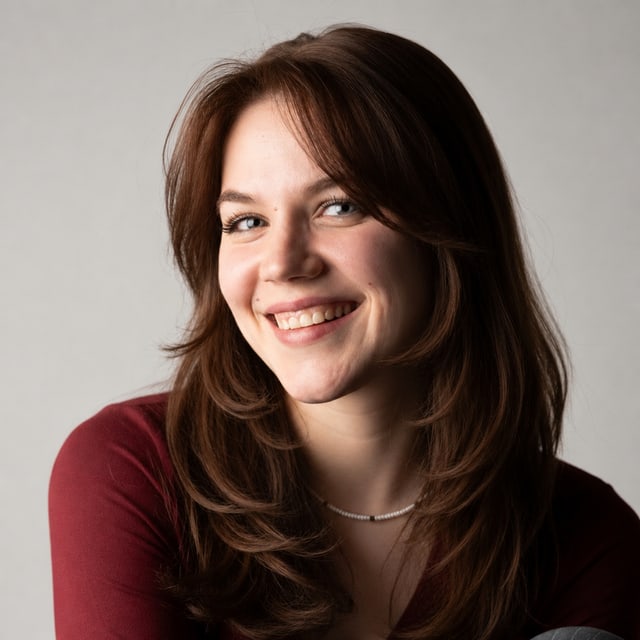
What are face framing layers?
The shortest piece is set first, at the point you agree on with your stylist. Every piece behind it is a little longer, so the front falls at an angle along the cheeks and jaw, and the pieces are blended back into the length with no hard line. The ends are usually softened with point cutting so they move rather than sit in a block.
A face frame is not the same as layering the whole head. You can have one on hair that is otherwise a single length, which keeps all the weight at the back. If your hair is already layered all over, the front tends to fall into some longer framing pieces anyway; the choice is whether to cut them shorter than the rest.
Where the frame starts decides what it draws attention to. Starting at the cheekbones or lips highlights those features; starting lower, at the jaw or below the chin, lengthens the face and keeps the change quieter. Any length can take a face frame, from a bob to hair down the back.
Who it suits
Often suggested for
They can be matched to almost any face through the starting point. On a round face, a frame that starts an inch or two below the chin helps lengthen it; on a long face, softer pieces that add width at the cheeks keep it from looking longer. Fine hair keeps its fullness because only the front is cut, and on very thick hair a frame takes some bulk off the front.
Face framing layers vs curtain bangs
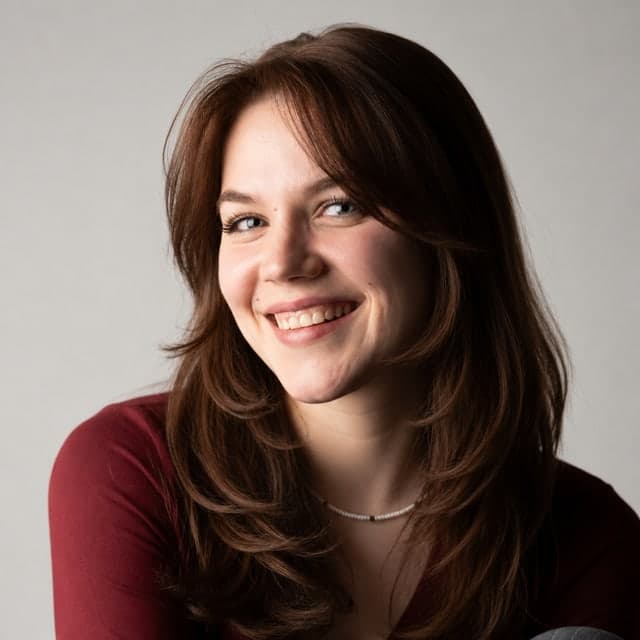 Face framing layers
 Curtain bangs
| Face framing layers | Curtain bangs | |
|---|---|---|
| Where it starts | Cheekbones, lips or chin | The forehead, parted down the center |
| What it frames | The cheeks, the jaw and the whole outline | The forehead and the eyes |
| The shape | Longer pieces running down the front | A short fringe that sweeps out to each side |
Many people get both, so the bangs run straight into the face layers. If you would rather keep your forehead clear and have a change that grows out quietly, start with face framing layers alone.
Face framing layers variations
 Long layers
Layers through the whole length rather than only at the front; the framing pieces fall in with the rest.
 Butterfly cut
A bigger version: shorter face pieces plus lift through the crown, blown out and flipped away from the face.
 Collarbone lob
Shorter hair can take a face frame too, for example a long bob cut at the collarbone.
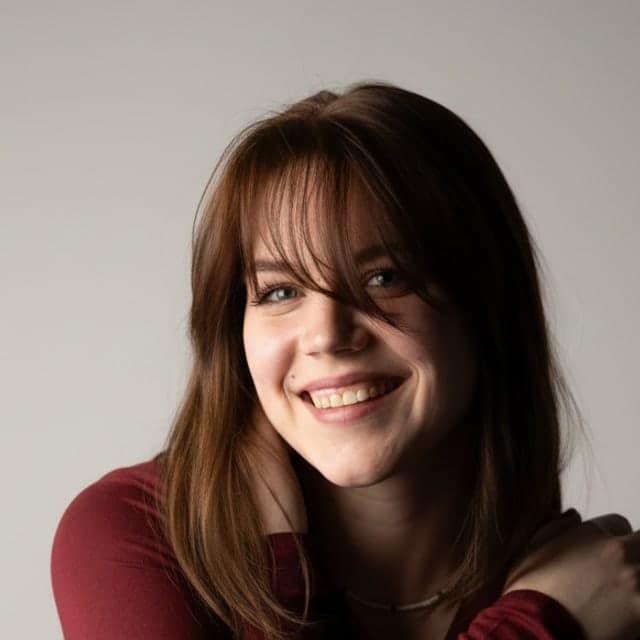 Side bangs
A side-swept fringe that runs into the frame on one side, a softer option for a strong jaw.
 Shoulder-length feathered layers
Feathered layers at shoulder length, brushed back from the face instead of falling forward.
Upkeep
Medium upkeep
The length is untouched, so only the front needs attention, and it can be refreshed at your regular trims, which stylists suggest every six to eight weeks or so. Left alone, the pieces grow down and blend back into the length, which makes them one of the easiest changes to undo. The styling is where the time goes: they show best blow-dried, and air-dried they fall straighter and look subtler.
How to ask your stylist
- Point to where the shortest piece should start: cheekbone, lip, chin or lower. If you're unsure, start longer; you can always go shorter at the next cut.
- Ask for a face frame, angles or shorter pieces around your face, and bring a reference photo of the length you have in mind.
- Say whether the frame should connect into curtain bangs or begin below the forehead, and whether the pieces should blend gradually or stand out.
- If you tie your hair back for workouts or work, say so. A very short starting point may not reach a ponytail or a clip.
How to style it
To show the frame, blow-dry the front pieces with a large round brush, either turning the ends under toward the face or flipping them back and away. A flat iron does the same in less time with a quick bend at the ends. A blow-dry cream or a little mousse helps the shape hold through the day.
Questions
How can I see what I'd look like with face framing layers?
Upload one clear, front-facing photo to Styloom and pick Face framing layers. You get an AI preview of your own photo in about 20–30 seconds. If your hair is already layered, the change will be subtle.
Are face framing layers good for fine hair?
Yes. Only the front is cut shorter, so the rest of the hair keeps its weight and the length still looks full.
Do face framing layers work on curly hair?
Yes. Ask for them cut dry, piece by piece, so the shortest curl doesn't spring up above where you wanted it.
Can you still wear a ponytail with face framing layers?
It depends on where they start. Short pieces around the cheekbones tend to slip out of a ponytail or clip, so if you tie your hair back often, ask for a lower starting point.
Do face framing layers make your face look slimmer?
They can make it look longer. A frame that starts below the chin draws the eye down, while one that starts at the cheekbones adds width there instead.
Sources
Written in our own words from common salon and barber advice. The example photos are AI-generated and show the style from the front. Updated November 6, 2026.