Wolf cut
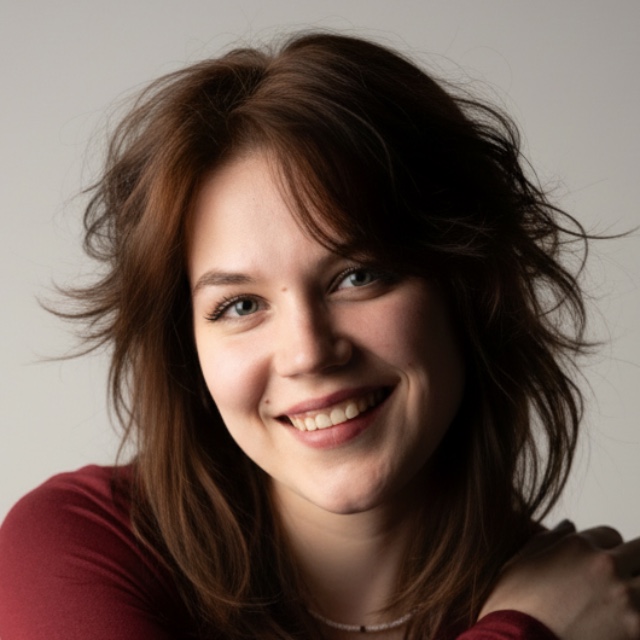
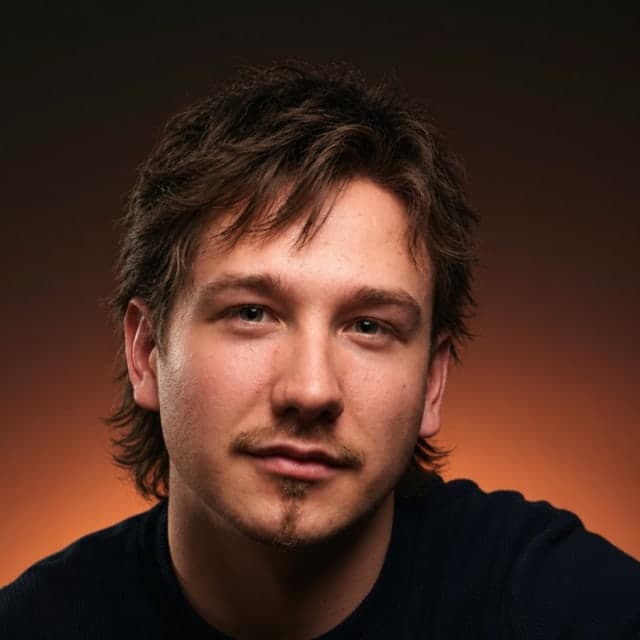
A wolf cut is a heavily layered haircut that crosses a shag with a mullet: short, jagged layers at the crown and around the face, and longer, thinner lengths at the back. The jump from the full top to the wispy ends gives it a tousled, slightly wild outline.
What is a wolf cut?
The shortest layers sit on top and at the crown, where they lift the hair up and out. Below them the layers get longer toward the sides and back, so the outline breaks into separate, piecey ends instead of one solid line. The cutting is choppy on purpose, so the cut looks lived-in from the first day rather than freshly done.
It is usually described as a mix of a 1970s shag and a 1980s mullet. The shag part is the crown volume and the layering all over; the mullet part is keeping more length at the back than at the front. Like the shag, it is worn messy rather than smoothed into place.
Length is flexible. From about chin length the layers are less dramatic; around the shoulders or collarbone you get the classic shape, with clear steps and lift at the crown; long hair allows the most contrast. A fringe is optional, but many people pair it with curtain or wispy bangs that blend into the short layers. Men wear it too, usually shorter overall, with a choppy top and the extra length kept at the nape.
Who it suits
Often suggested for
Works on straight, wavy or curly hair; best with medium or thick density.
Medium to thick hair with some wave or curl is the easiest match: the layering takes out weight, and natural texture does most of the styling. Stylists differ on straight hair; some find the tousled shape especially flattering on it, others say very straight hair needs a bend from a hot tool to show the layers. On fine hair, softer layers and no very short pieces at the crown keep the ends from looking thin.
Wolf cut vs butterfly cut
 Wolf cut
 Butterfly cut
| Wolf cut | Butterfly cut | |
|---|---|---|
| How it is layered | Heavily: short top layers drop sharply to longer ends | Lightly: one length flows into the next |
| Where the short layers sit | On top, at the crown and around the face | Around the face, between cheekbones and jaw |
| The shape | Lifted and a little angular | Rounded and bouncy |
| The finish | Tousled and piecey | Polished, usually blown out |
Choose the wolf cut for texture and an edgier, undone shape. Choose the butterfly cut if you want to keep long, full hair and add soft movement around the face.
Wolf cut variations
 Shag haircut
The cut it grew from: layers spread more evenly, with less of a jump between crown and ends.
 Shoulder-length mullet
The other half of the mix: shorter at the front, longer at the back, with less layering on top.
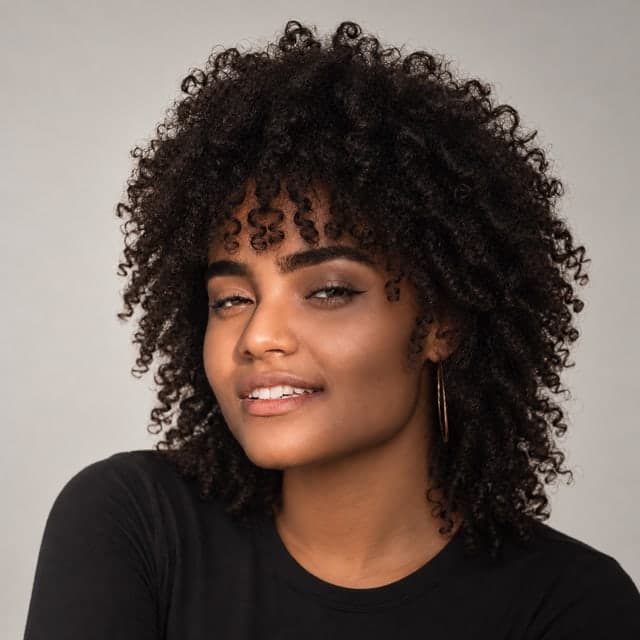 Curly shag
The closest look for curls: a short, round crown with longer curls falling below it.
 Long shag
A longer, softer relative with crown layers and most of the length kept past the shoulders.
 Curtain bangs
Many wolf cuts come with it: a center-parted fringe whose ends melt into the choppy face layers.
Upkeep
Medium upkeep
It is meant to look a little undone, so regrowth shows less than it would on a sharp, blunt cut. The short crown layers are the first to grow heavy and lose their lift, and bringing them back is the main job of a trim. Day to day, wavy and curly hair needs little more than a product and air-drying; straight hair takes more work with heat.
How to ask your stylist
- Bring photos of wolf cuts you like, ideally on hair with your texture and thickness. The same cut looks very different straight and curly, and your stylist can tell you what your hair will actually do.
- Say where the shortest layer should start (cheekbones, chin or jaw) and how long the back should stay. "Wolf cut" means different things in different salons; those two lengths pin it down.
- Name the three things that make it a wolf cut: short layers at the crown for volume, choppy texture throughout, and a clear step from the shorter top to the longer back.
- With fine hair, ask for softer, blended layers and no very short pieces at the crown, so the ends don't turn see-through.
- Decide on the fringe: none, curtain bangs or wispy bangs that run into the face layers. If your hair is curly, ask them to layer with your curl pattern, and whether they cut it dry, so short layers don't spring up shorter than planned.
How to style it
On wavy or curly hair, work a curl cream or mousse through damp hair and diffuse or air-dry, scrunching as it dries. On straight hair, rough-dry with volumizing mousse at the roots, then bend random sections with a curling iron or flat iron, alternating directions. Finish with texturizing spray, and use a little pomade or cream on your fingertips to separate the ends without making them stiff.
Questions
How can I see what I'd look like with a wolf cut?
Upload one clear, front-facing photo to Styloom and pick Wolf cut. You get an AI preview of your own photo with the cut in about 20–30 seconds. It shows the shape on your face; it can't show exactly how your hair will behave after a real cut.
Is a wolf cut the same as a shag?
No, though it borrows from one. A wolf cut pushes the contrast further than a shag: a shorter, fuller crown and longer, thinner ends at the back, which is the mullet side of it.
Does a wolf cut work on straight hair?
Yes, though stylists disagree on how much work it takes. Some say the messy shape suits straight hair well; others find very straight hair falls flat without texture spray or a few bends from a hot tool. Thick straight hair holds the layers better than fine straight hair.
Can you get a wolf cut on short hair?
From about chin length, yes; the layers are simply less dramatic. Shorter versions exist, but the classic shape needs enough length at the back to show the step from the crown.
Can you grow out a wolf cut?
Yes. The short crown layers take the longest to catch up, and a stylist can blend them into a longer layered cut along the way.
Sources
Written in our own words from common salon and barber advice. The example photos are AI-generated and show the style from the front. Updated November 6, 2026.